AI Ethics & Governance · CSIRO

Operationalising Responsible AI

Led design activities to interrogate the ethical risks of AI systems and translate Australia's AI Ethics Principles into practical, actionable guidance that product teams can apply throughout the development lifecycle.
AI products assessed 4
Stakeholder groups 12+
Operationalising Responsible AI hero

Overview

Responsible AI principles are widely endorsed but rarely operationalised. This project tackled the gap between high-level ethical commitments and the day-to-day decisions that product teams make when designing, building, and deploying AI systems at CSIRO.

AI products in scientific research carry significant ethical weight—they influence research outcomes, affect resource allocation, and shape how scientists understand complex biological systems. When an AI system surfaces a gene target or recommends an analytical pathway, the downstream consequences can be profound. Generic ethics checklists don't address the domain-specific risks that emerge in these contexts.

As design lead, I facilitated cross-functional risk assessment activities, synthesised findings into actionable design recommendations, and developed frameworks that embedded responsible AI considerations into the product development process rather than treating them as an afterthought.

The Challenge

CSIRO had committed to Australia's AI Ethics Principles—fairness, transparency, accountability, privacy, and human oversight—but the principles were abstract. Product teams building AI-powered research tools had no clear way to translate them into specific design decisions, technical requirements, or evaluation criteria.

The challenge was compounded by the nature of the domain. AI systems for scientific research operate in contexts where errors can propagate through published literature, where bias in training data can systematically disadvantage certain research directions, and where the complexity of multi-agent architectures makes it difficult to trace how a system arrived at a particular recommendation.

Challenge illustration

Teams also faced a practical tension: responsible AI processes were often perceived as compliance overhead that slowed delivery. We needed to demonstrate that ethical rigour and product velocity are not in opposition—that identifying risks early actually prevents costly rework later.

Approach

Rather than creating another ethics checklist, I designed a series of structured workshops that brought together product designers, researchers, engineers, data scientists, and domain experts to systematically interrogate the ethical risks of specific AI systems.

These sessions used design-led facilitation techniques—scenario mapping, consequence scanning, and stakeholder impact analysis—to surface risks that purely technical reviews miss. For example, mapping the journey of a scientist interacting with an AI recommendation revealed trust calibration risks: moments where the system's confidence presentation could lead a researcher to over- or under-rely on its outputs.

Workshop facilitation approach

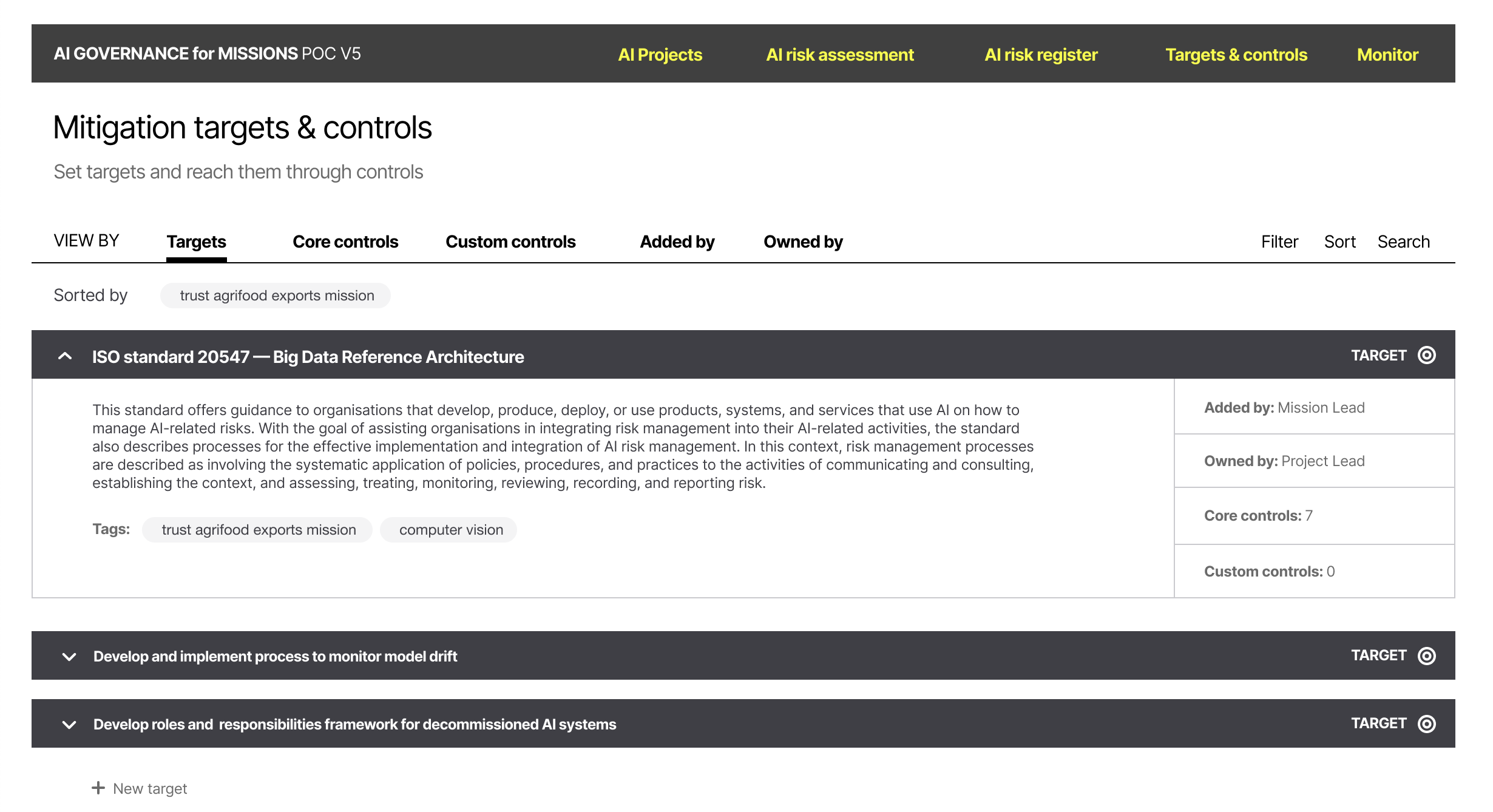
Each assessment produced a structured risk register tied to specific product features and user interactions, not abstract principles. This made the findings immediately actionable for design and engineering teams working on the next sprint.

Solution

The work produced three interconnected outputs that embedded responsible AI into ongoing product development:

1. Risk Assessment Framework: A repeatable, design-led process for evaluating AI products against ethical principles. The framework maps each principle to specific product touchpoints—for instance, "transparency" becomes concrete questions about how the system communicates uncertainty, explains its reasoning, and surfaces its limitations at the point of interaction.

2. Design Patterns for Responsible AI: A set of interaction patterns that address common ethical risks in AI-powered research tools. These include patterns for communicating model confidence without inducing false trust, enabling meaningful human oversight without creating decision fatigue, and presenting AI limitations honestly without undermining adoption.

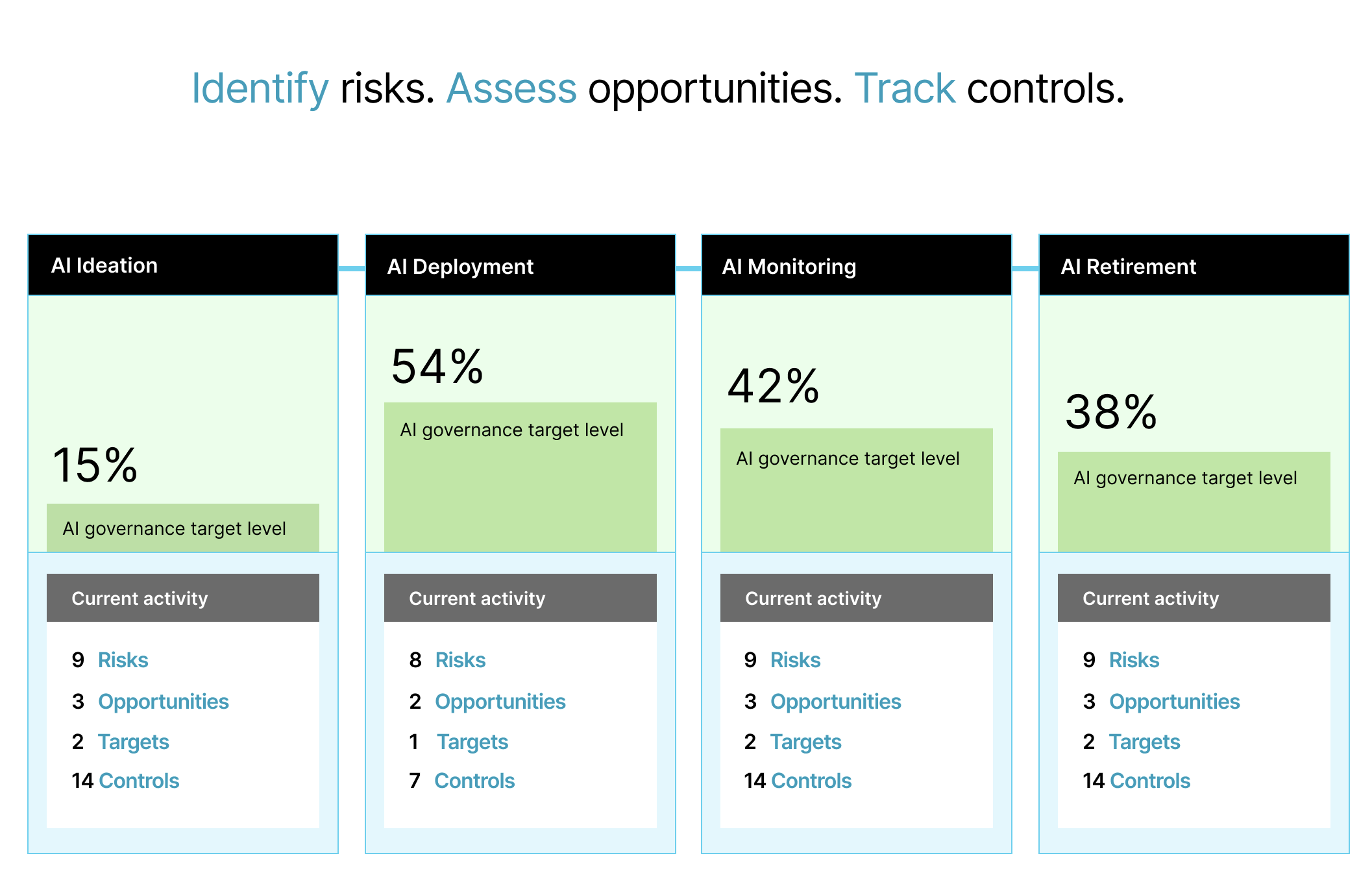
3. Integration into Product Lifecycle: Rather than a one-off audit, the framework was designed to integrate into existing product rituals—design reviews, sprint planning, and release criteria. Ethical risk considerations became part of how the team evaluated design decisions, not a separate compliance step.

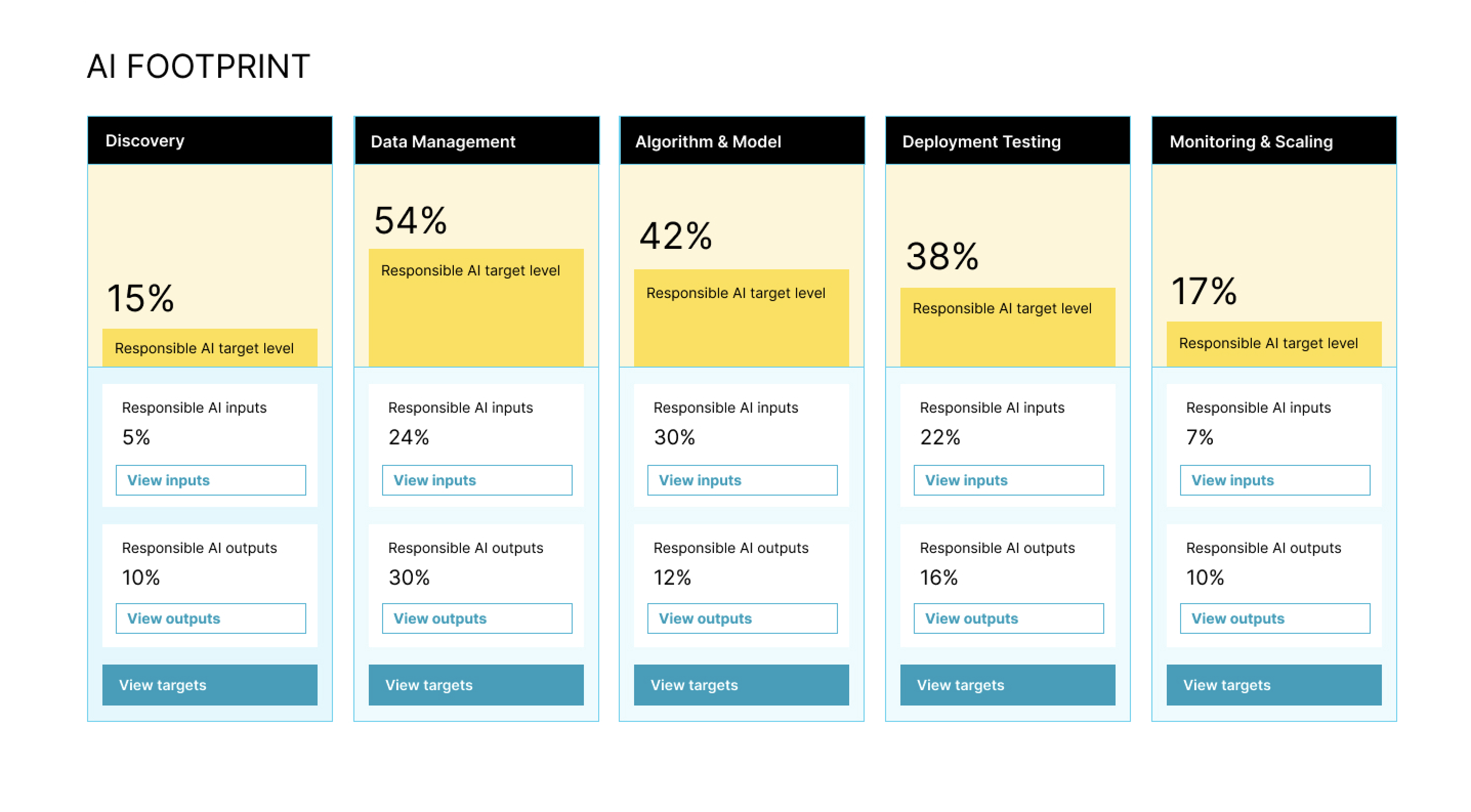
Responsible AI framework overview

The patterns were directly applied to Sciansa and other CSIRO AI products, providing concrete guidance on how to handle scenarios like conflicting AI recommendations, edge cases in training data coverage, and the appropriate level of automation for different decision types.

Results

The responsible AI framework has been applied across four AI products at CSIRO, identifying ethical risks that would have been missed by standard technical review processes. Several high-priority risks were surfaced and addressed before reaching production, avoiding potential harm to end users and reputational risk to the organisation.

The design patterns for communicating AI uncertainty and enabling human oversight were adopted into CSIRO's product design system, ensuring consistent responsible AI practices across teams. Teams report that the framework helps them make faster, more confident decisions about ethically sensitive design trade-offs because they have a structured way to evaluate options.

Critically, the approach reframed responsible AI from a compliance burden into a design quality practice. Product teams now treat ethical risk assessment as a natural part of the design process—similar to accessibility or usability testing—rather than an external audit imposed on their work.

Results and impact

The project demonstrates that operationalising AI ethics requires more than principles and policies. It requires design-led methods that connect abstract commitments to the specific, concrete decisions that shape how AI systems behave in practice.