Writing

Writing spanning two phases of my career:
1. (recent) essays on design and AI, and
2. publications from seven years as an academic researcher


The Critical Design Engineering Manifesto
Design Engineering · Published as a Github GIST

The Critical Design Engineering Manifesto

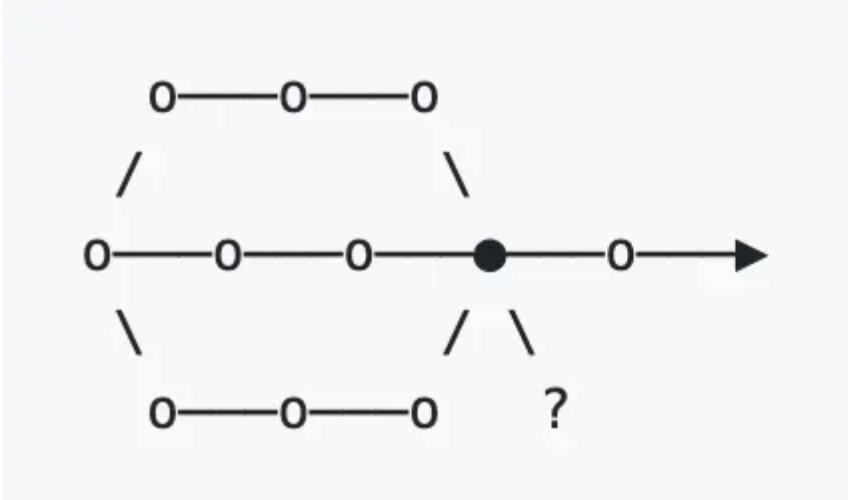
For those who wish to critically inhabit the space between software design and engineering (a remix of the Critical Engineering Manifesto, 2011). Includes a register of thinkers and makers who have heavily influenced the manifesto

UI Design in the age of AI: a historical perspective
UX/UI · Published in Bootcamp on Medium

UI Design in the age of AI: a historical perspective

As artificial intelligence continues to reshape the landscape of user interface design, it’s tempting to view this transformation solely through the lens of disruption and modernity. However, a more nuanced perspective emerges when we consider the insights of historians and sociologists who have studied technological change.

Making PROVOtypes to shape AI product design
Methodology · Published in Bootcamp on Medium

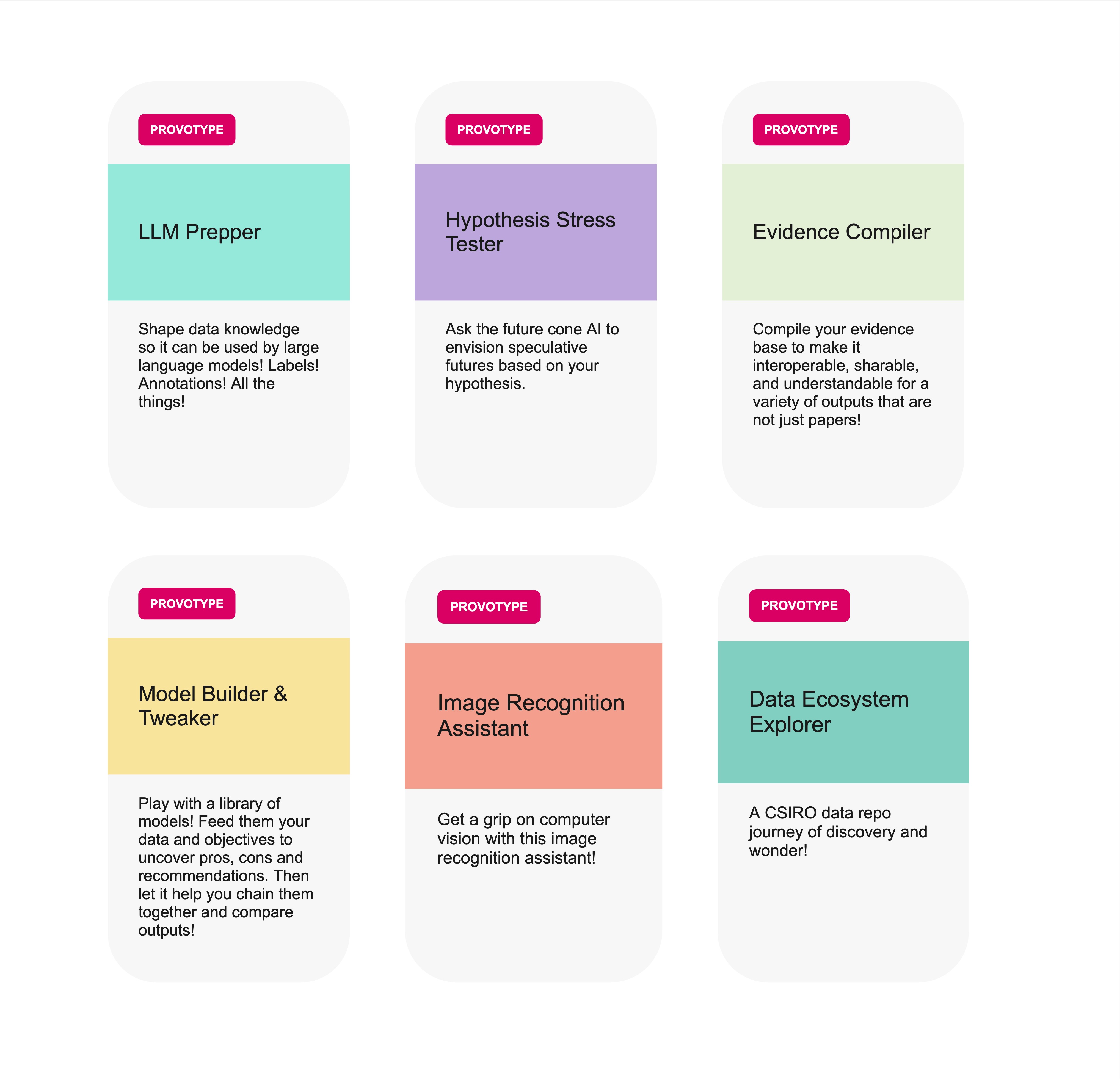
Making Provotypes to shape AI product design

How deliberately provocative prototypes can surface hidden assumptions about AI capabilities and reshape product direction before you build the wrong thing.

Creating Design Fiction with LLMs
Methodology · Published in Bootcamp on Medium

Creating Design Fiction with LLMs

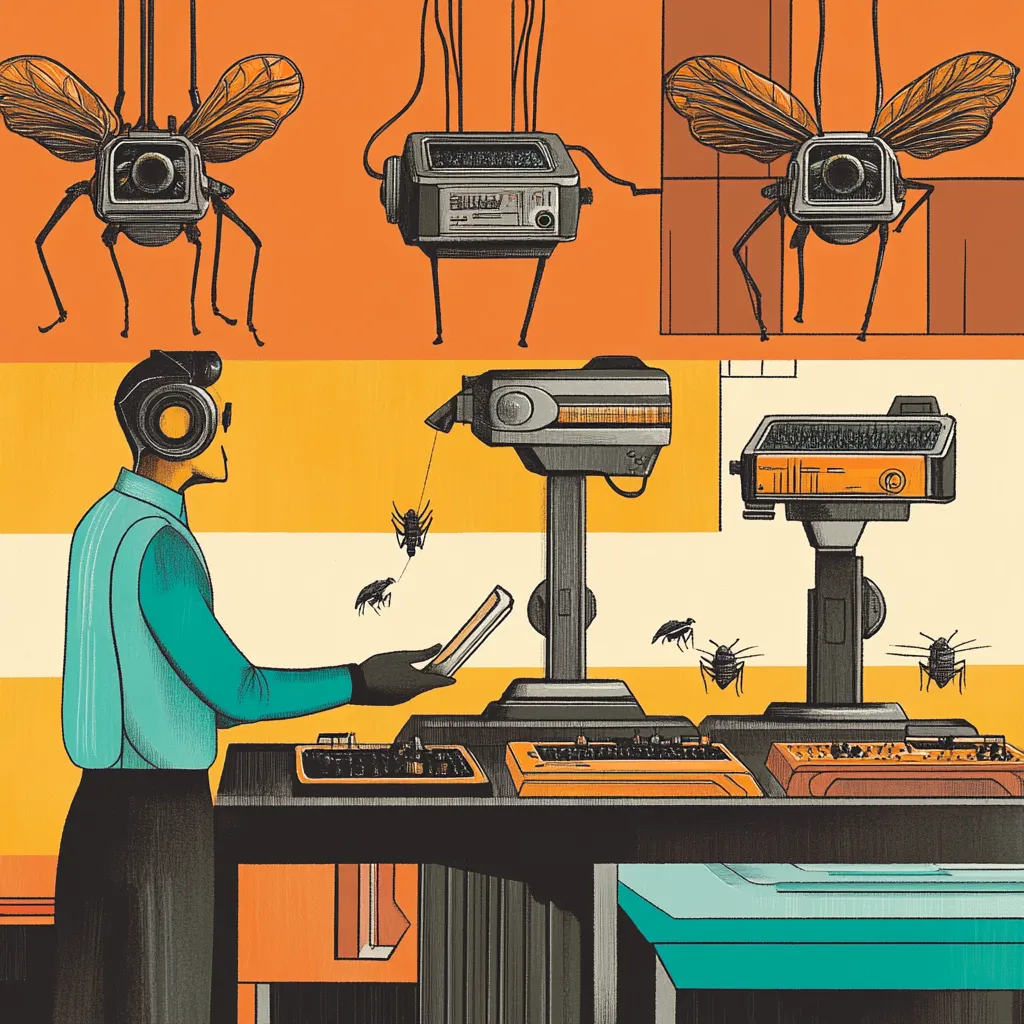
‘The Moth Keepers’ is Design Fiction inspired by scientific work on the wax moth and its role in plastic degradation.

The ironies of automation — design lessons from 1983
Philosophy · Published in Bootcamp on Medium

The ironies of automation — design lessons from 1983

40 year old research from Lisanne Bainbridge offers us multiple cautionary tales about the broken promises of automation.

How are designers shaping algorithmic systems?
Methodology · Published in Bootcamp on Medium

How are designers shaping algorithmic systems?

As designers, we often find ourselves working on products and services that incorporate algorithmic features. But how can we effectively influence these complex systems?